Although the SELVET project is over we hope that we come back soon with a new project to set up implement SEL programmes in VET in our countries.
| Leonardo Partnership |
|
|
We are pleased to report that the Hungarian version of the SELVET Guidebook is also ready and available here: 
SELVET was a partnership project subsidized by the EU under the Life Long Learning Programme. The partnership consists of 5 organisations from Hungary (Budapest), Germany (Göttingen) the Netherlands (The Hague), Malta (Valetta) and the United Kingdom (London). The title for the project comes from its focus i.e. Social and Emotional Learning (SEL) in Vocational Education and Training (VET). Social and emotional learning (SEL) programmes help children and adults to develop the fundamental skills for life effectiveness. SEL helps students to become good communicators, cooperative members of a team, effective leaders, and caring, concerned members of their communities. It teaches them how to set and achieve goals and how to persist in the face of challenges. By increasing their capacity for learning it helps to reduce the achievement gap between high- and low-achieving youth. The present project aimed to explore the implementation of SEL programmes within vocational education and after-school settings in the different partner countries. By sharing their learning, they wished to identify the transferability of such programmes between different settings and the kind of training needed for VET teachers in order to conduct SEL courses. 3-day visits were undertaken to each partner country for which the hosting partner organized a programme of lectures, visits and meetings, discussion sessions and cultural activities. In participating, visiting partners learnt about the implementation of SEL within each country and could discuss the process with invited experts, and with students and teachers. The diversity of activities allowed partners to explore the theoretical and practical aspects of SEL programmes and their implementation in VET settings, and to consider issues such as costs and sustainability of the different approaches. Following each partner meeting, feedback was collected from all those present and a written evaluation was carried out and distributed to all partners. These evaluation reports were given consideration when planning the following meetings. In the last meeting held in Malta, future collaboration between partners was discussed and another application as a follow up of this project was submitted. Throughout the process, the project blog, at http://selvet.weebly.com/, was updated with background literature, project reports and photos and made available publicly. The data, presentations and reports gathered throughout the meetings form a substantial resource for future reference. In this present project, a major output has been the development of a ‘guidebook’ which draws together the learning of the partners. All partners collaborated in writing, designing and producing this key document. It provides an overview of SEL and its application within each partner country, provides a rationale and evidence as to its importance in VET, examples of good practice and an extensive literature list. In it, the partners advocate for the widespread inclusion of SEL in VET with the main target audience being school directors, principals and teachers, as well as decision-makers and developers of policy.
Throughout the project we evaluated each meeting and modified our methods and goals if it was needed based on the participants' feedbacks. The evaluation reports can be seen here:
 We organised an additional 6th meeting with the participation of AKUT Foundation, Creative Youth and the Hague University of Applied Sciences in Budapest, between 21-22 May, 2015. Our goal was to discuss the structure and the content of our toolkit/guidebook once again, select the texts we could use and decide upon those parts that would still need to be developed. Our meeting went well and the SELVET Guidebook will be available on this blog as soon as we finalise it. The agenda of this last meeting can be found here: 
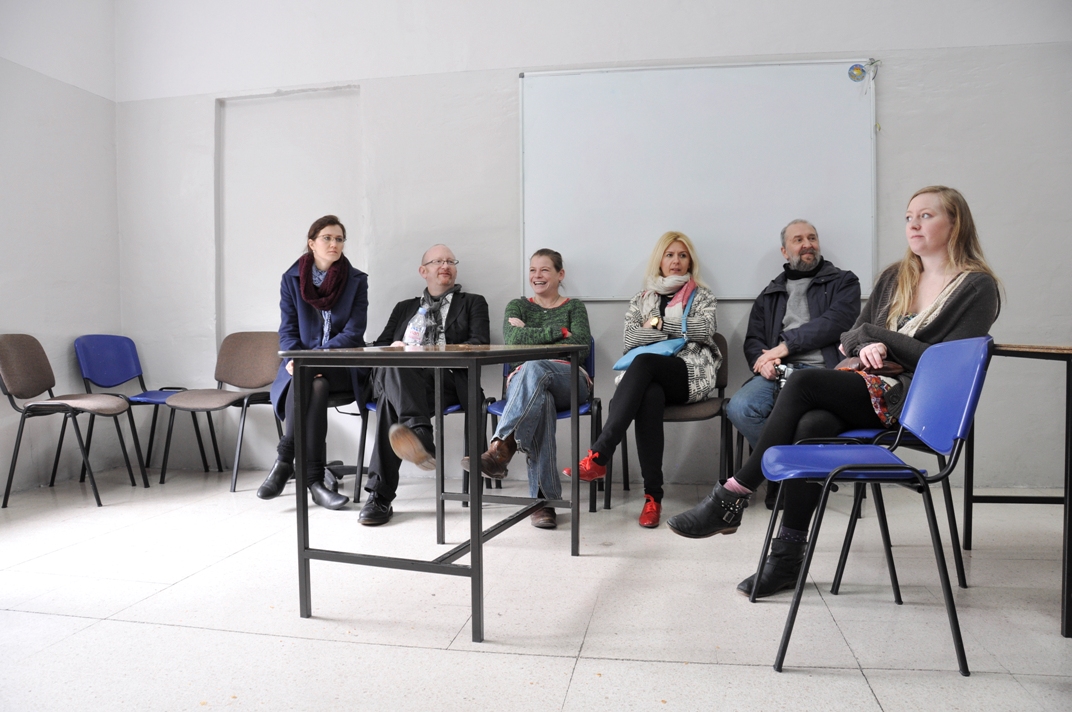
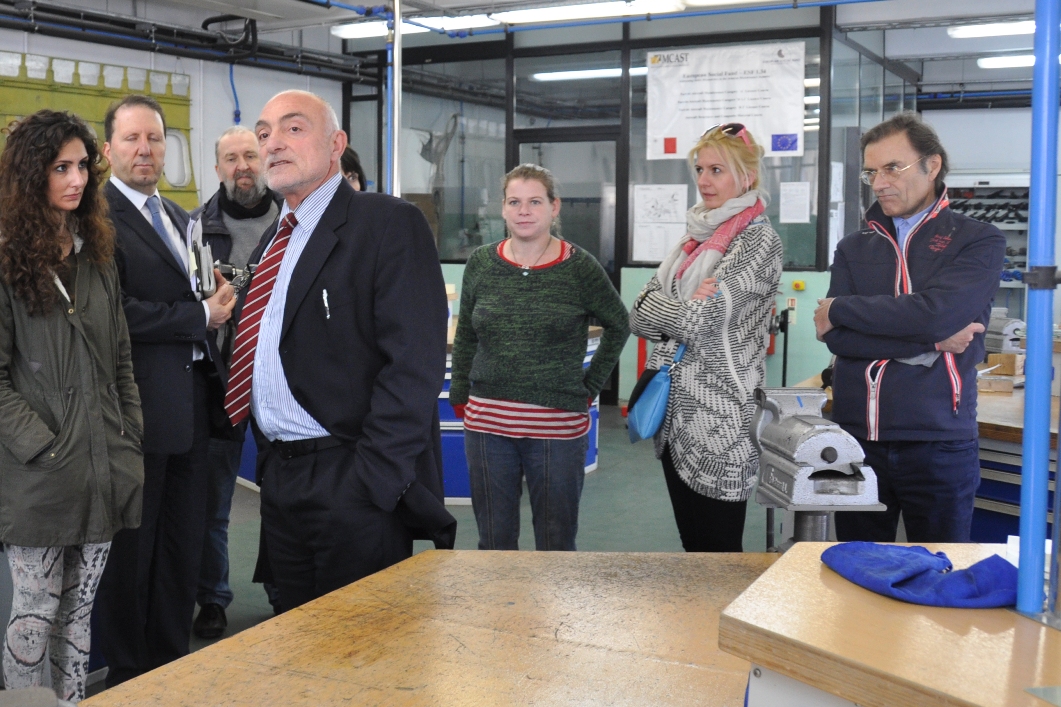
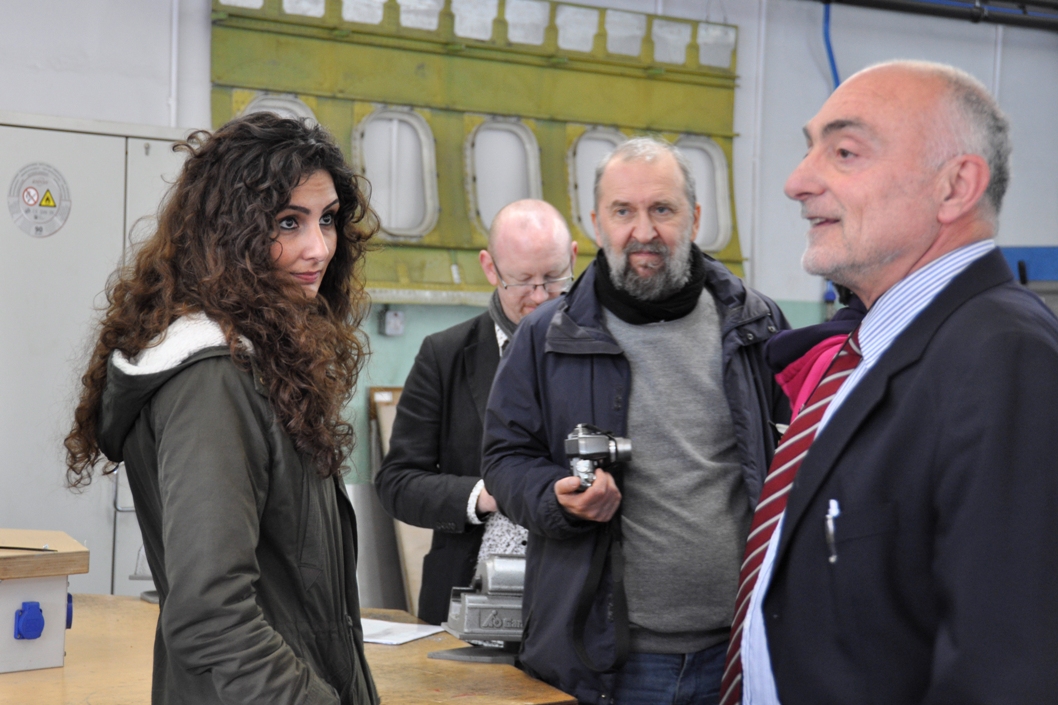
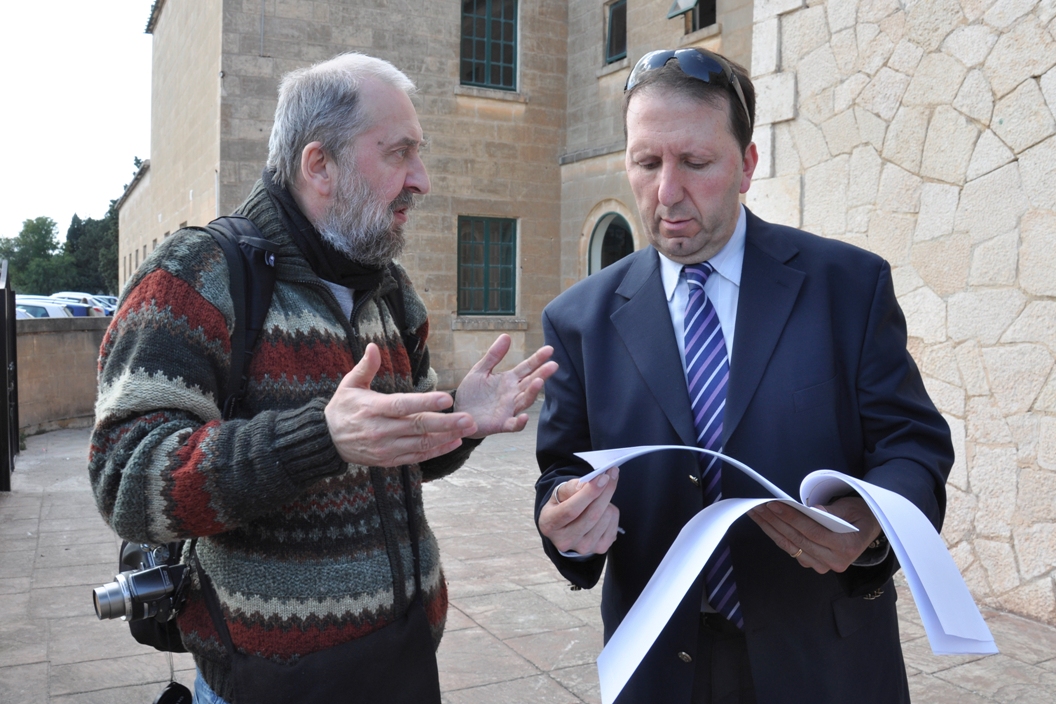
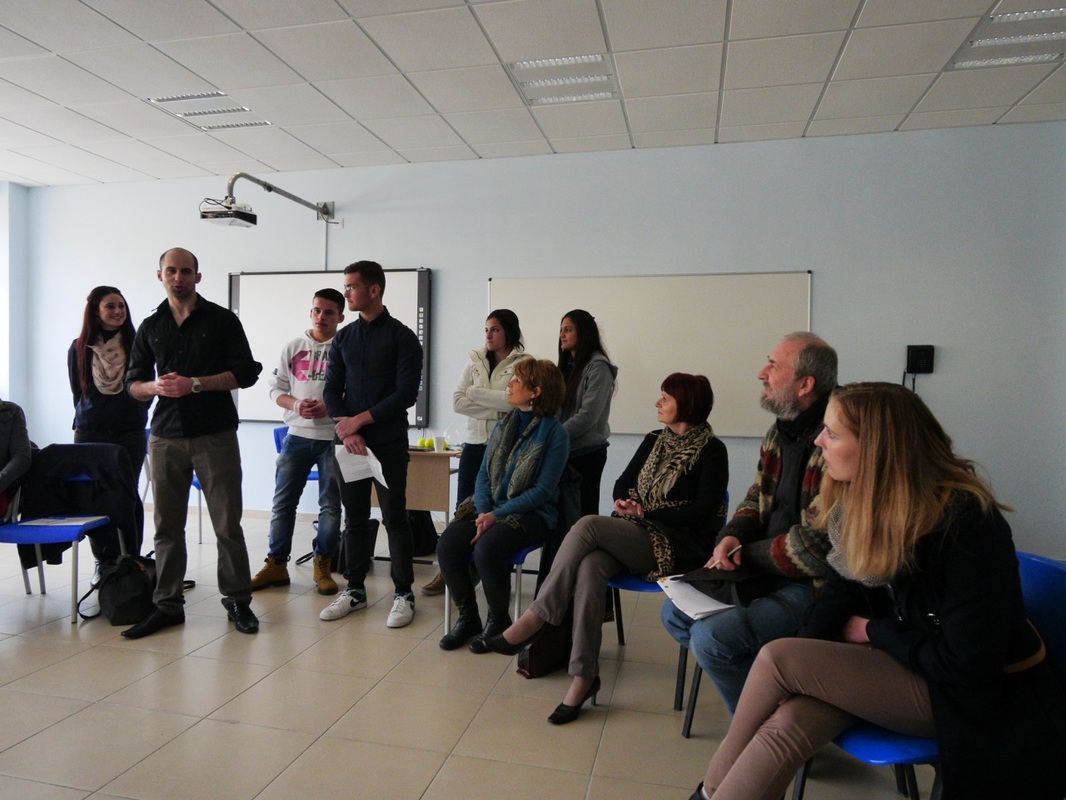
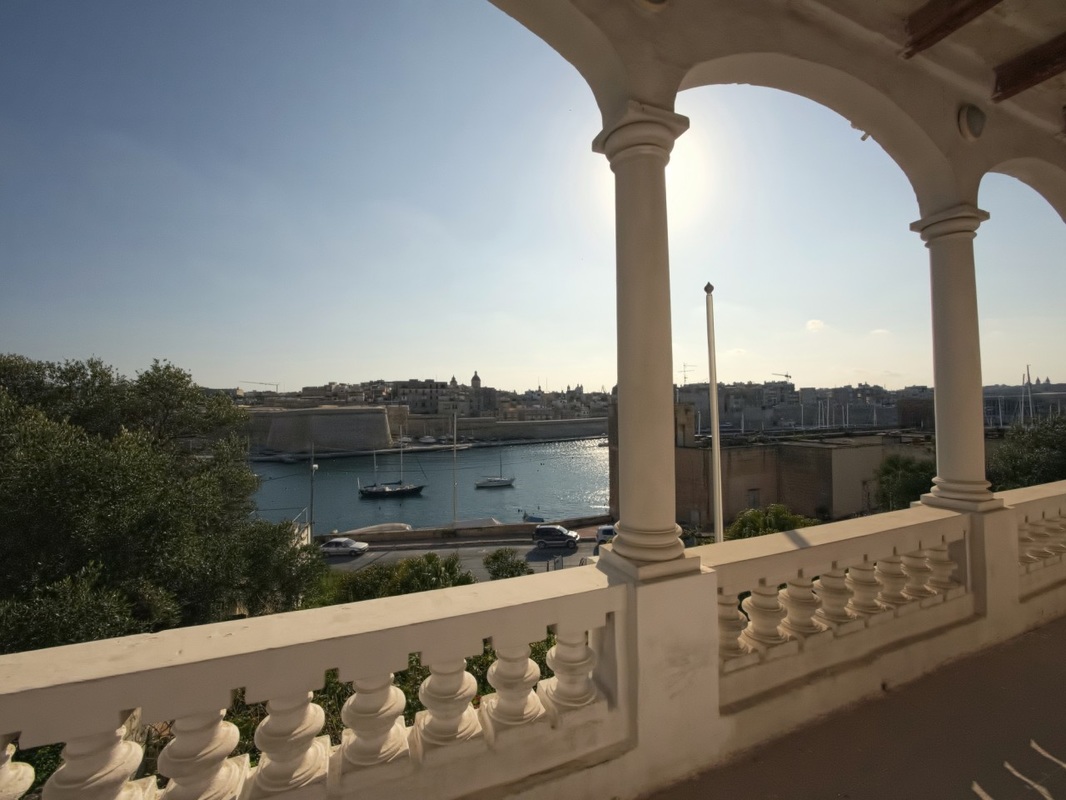
Between March 11 and 13 we met for the fifth SELVET partner meeting in Malta. Venue and host was the Malta College of Arts, Science & Technology, and our key aims for this meeting were
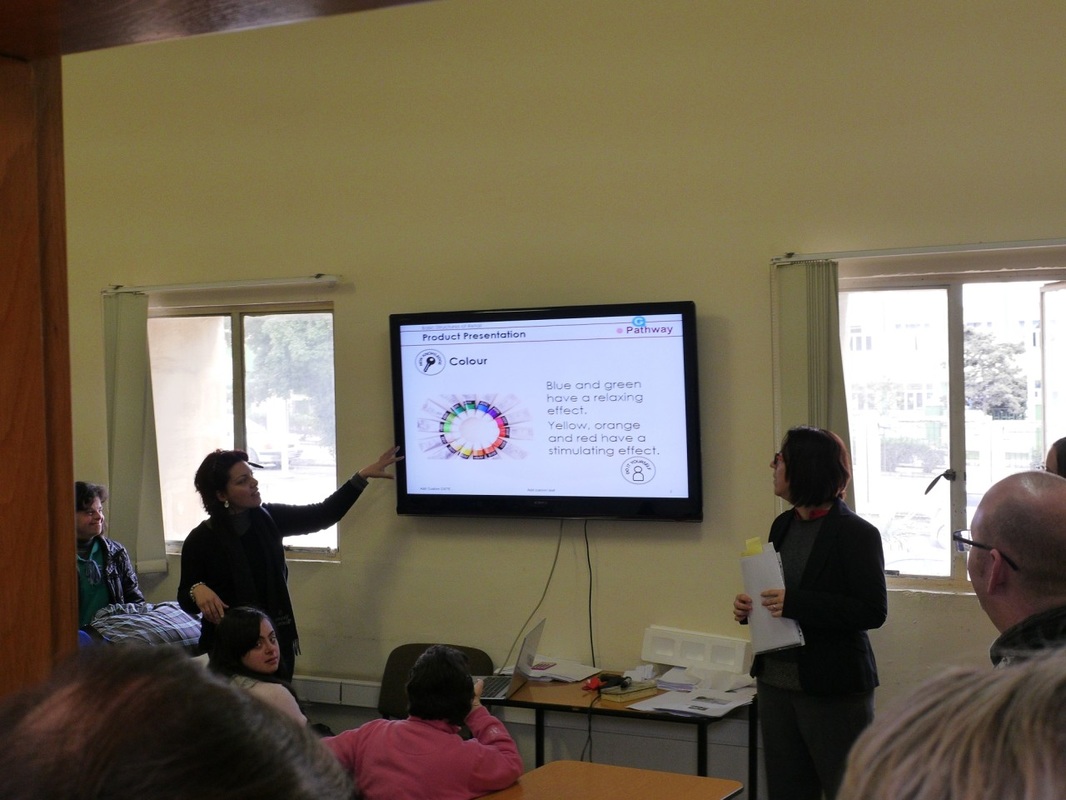
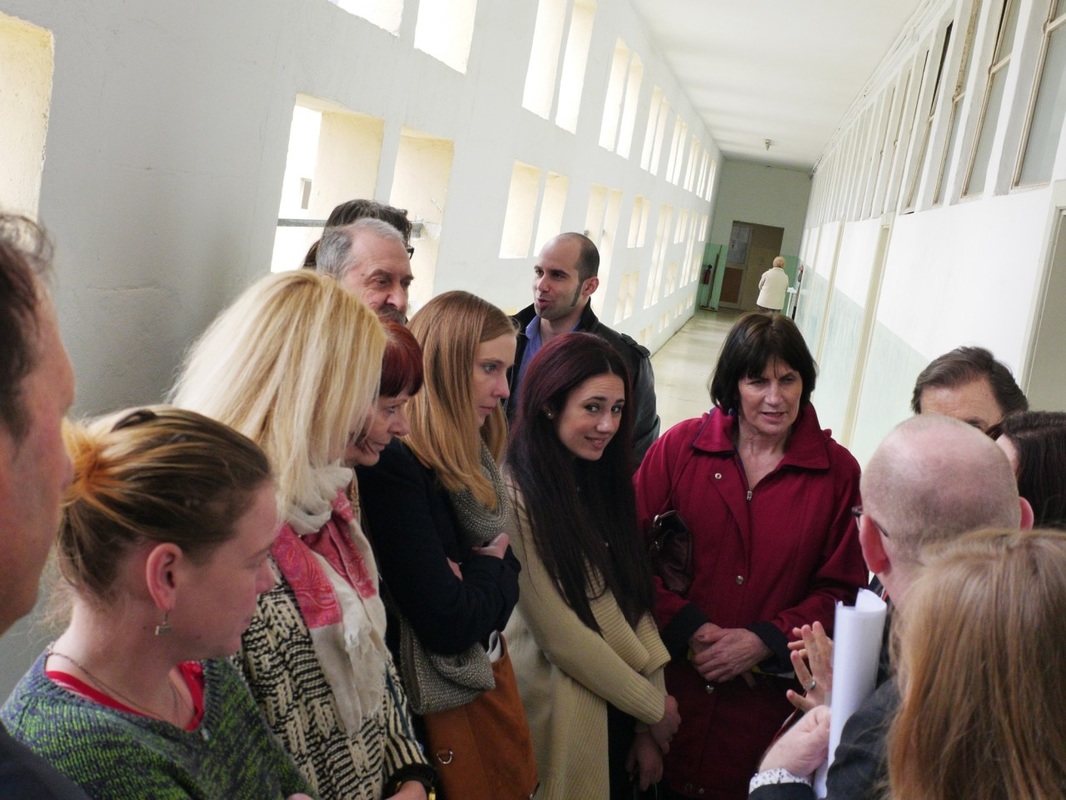
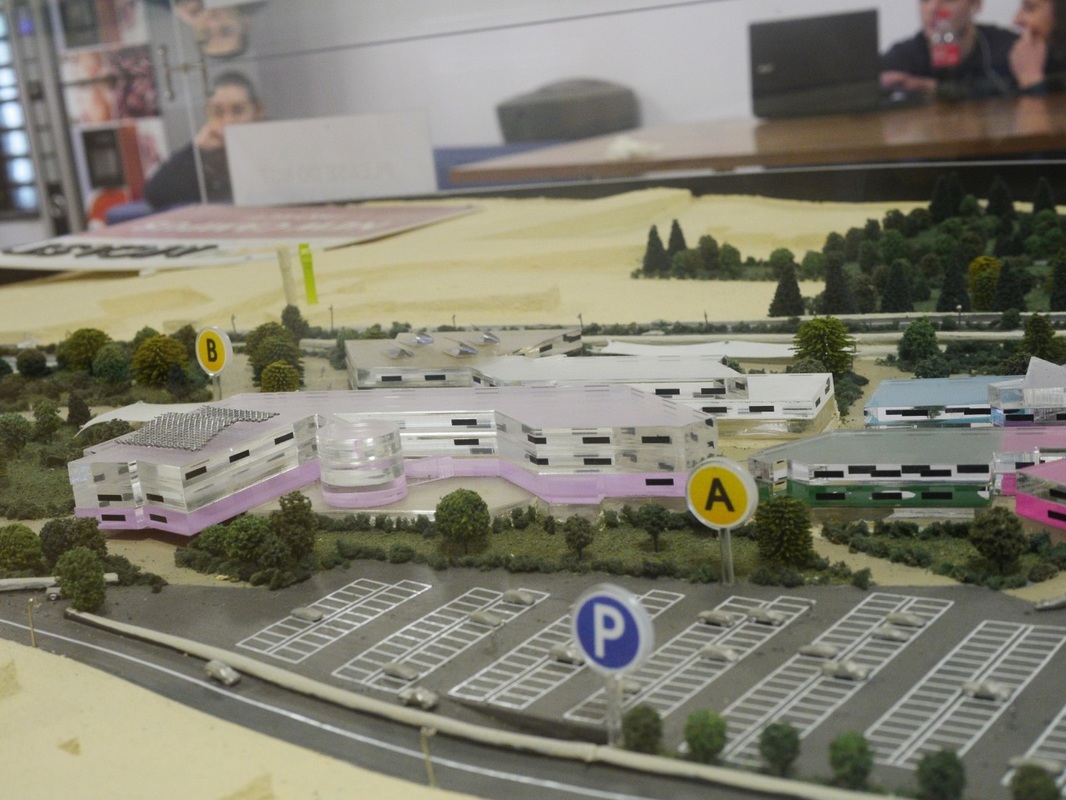
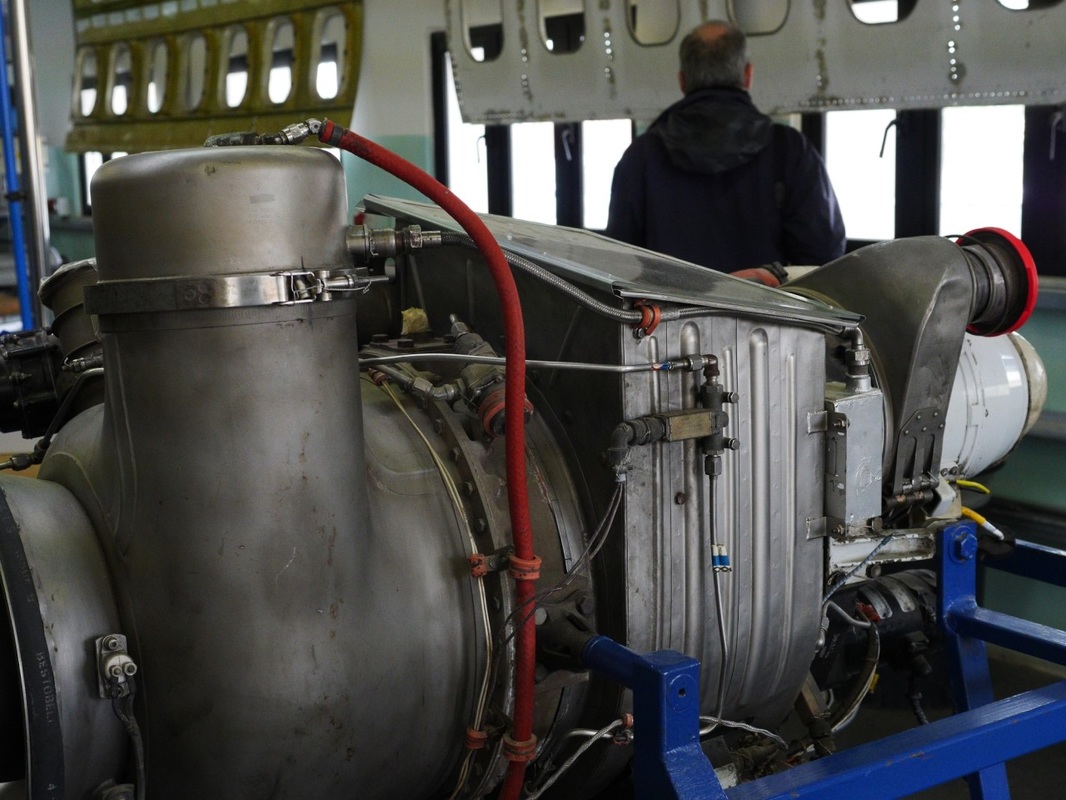
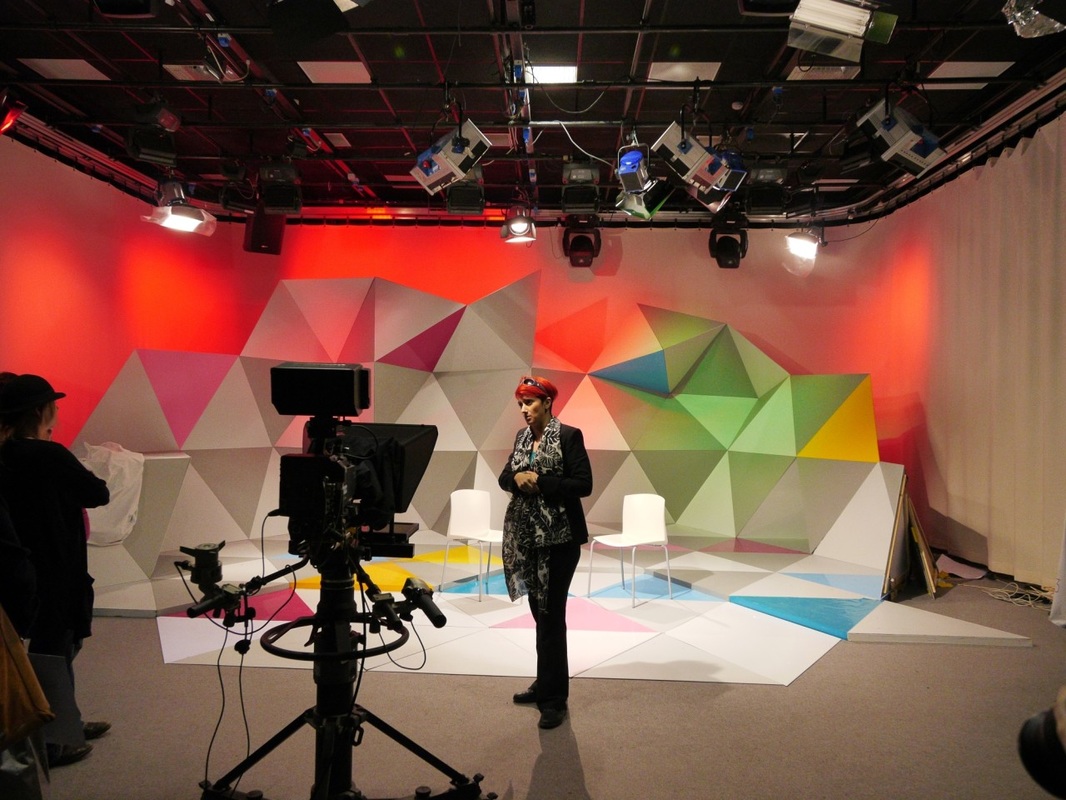
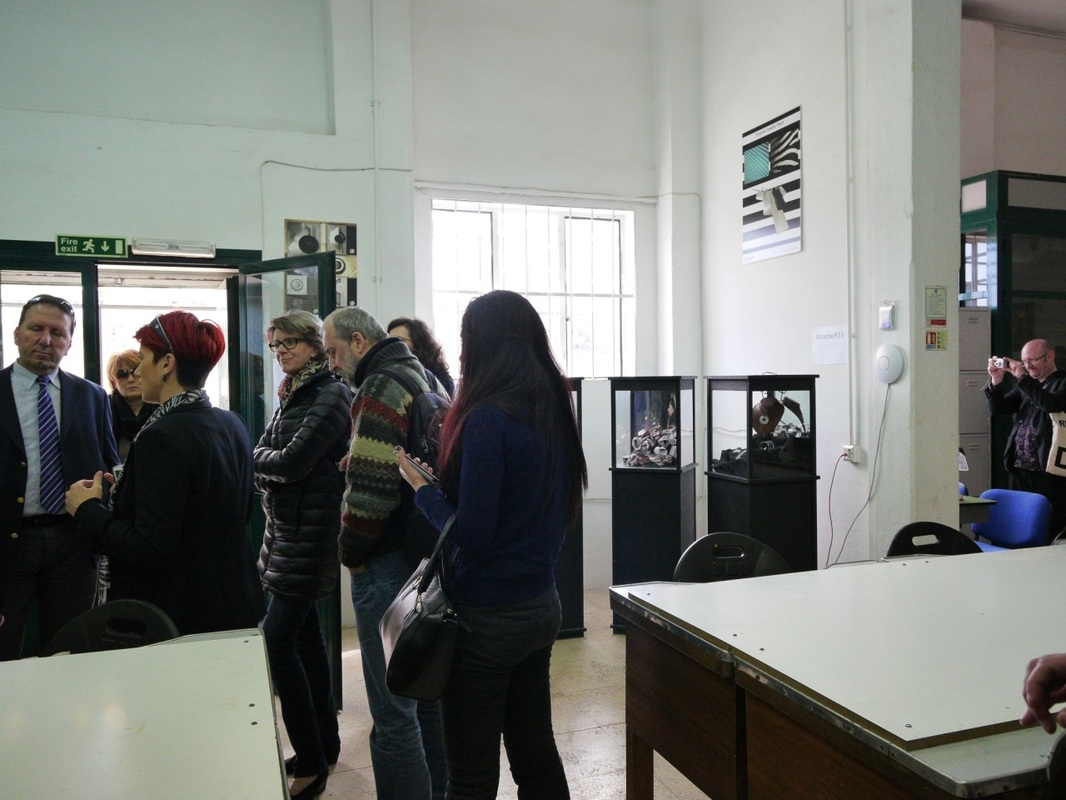
On the first day, we´ve got insight on the Personal Development and Counselling Services at MCAST and got first hand impressions from participants of the Student 2 Student initiative. All these services are to help fitting into MCAST as a student in every possible way and get help to deal with difficult situations and personal circumstances. Later we have been introduced to Pathway to Independent Living, a programme adressing the needs of individuals baring intellectual disabilities/learning difficulties. In the afternoon during a conclusive panel the University of Malta, the Department of Education, the PSD Association and the General Community gave presentations on their efforts to help VET students in Malta reaching their goals and the actual state of research on the matter. The second day saw the members of our group trading places with some VET students who became teachers and gave us in a very lively session some examples of training methods and topics used during and for SEL-related subjects at MCAST. In the afternoon we´ve and orientation tour to the Maritime Institute, where several speakers gave us insight into the work and student services for this part of MCAST. The organisations presented were Aġenzija Żgħażagħ (National Youth Agency), Youth Hub @ MCAST and the Duke of Edinburgh’s International Award. On the third day we´ve found more time to revise the Toolkit, our final report regarding SELVET experiences and recommendations we are handing in to the European Union executives. The Student 2 Student initiative had an an annual awarding ceremony for the most helpful students at MCAST which we could co-attend and then have some chat with the winners afterwards. Finally, in the afternoon we´ve visited the Art and Design Institute of MCAST and had plenty of chances to see examples of the crafty outputs students produce at this venue. Both traditional as very modern elements are available here, ranging from sculpting, fashion and painting to video production and radio & television broadcasting. It was a very interesting and comprehensive fifth meeting, leaving us wanting more to work together, building on resulting relations and knowledge. The dinners were spent together with our lovely hosts at different places in Malta, giving us an even more vivid insight into Maltese culture and hospitality. We hope to be able to meet again in an extra closing session in Budapest where we can finalise our report (the Toolkit) and develop our common interest in SELVET further. Meeting report:
Presentations: 
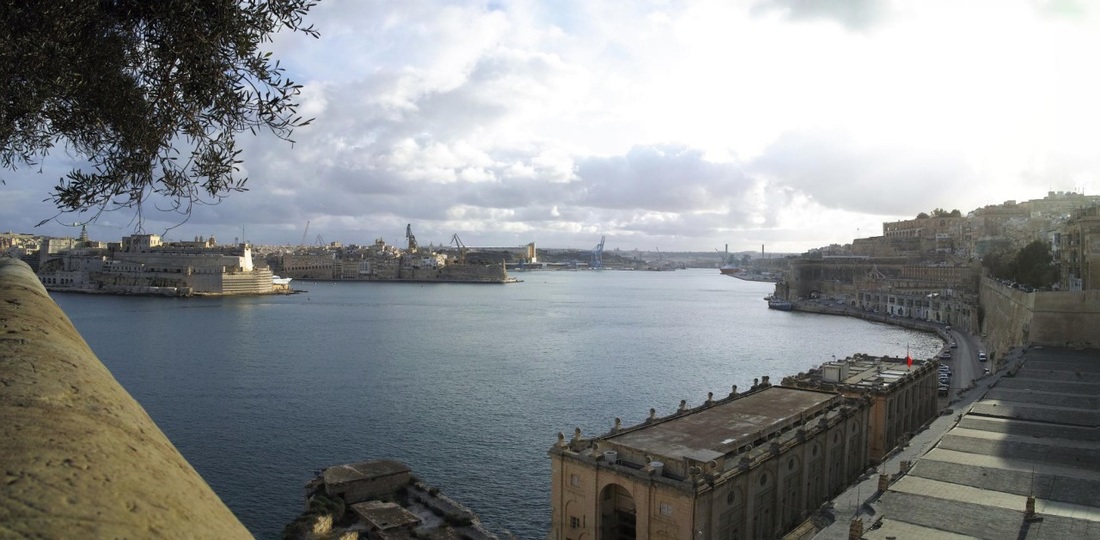 In a "mid-term" meeting in Budapest the first ideas of all the partnership members for the toolkit/handbook have been collected and prepared for a structured presentation later in March at our final partnership meeting in Paola, Malta.
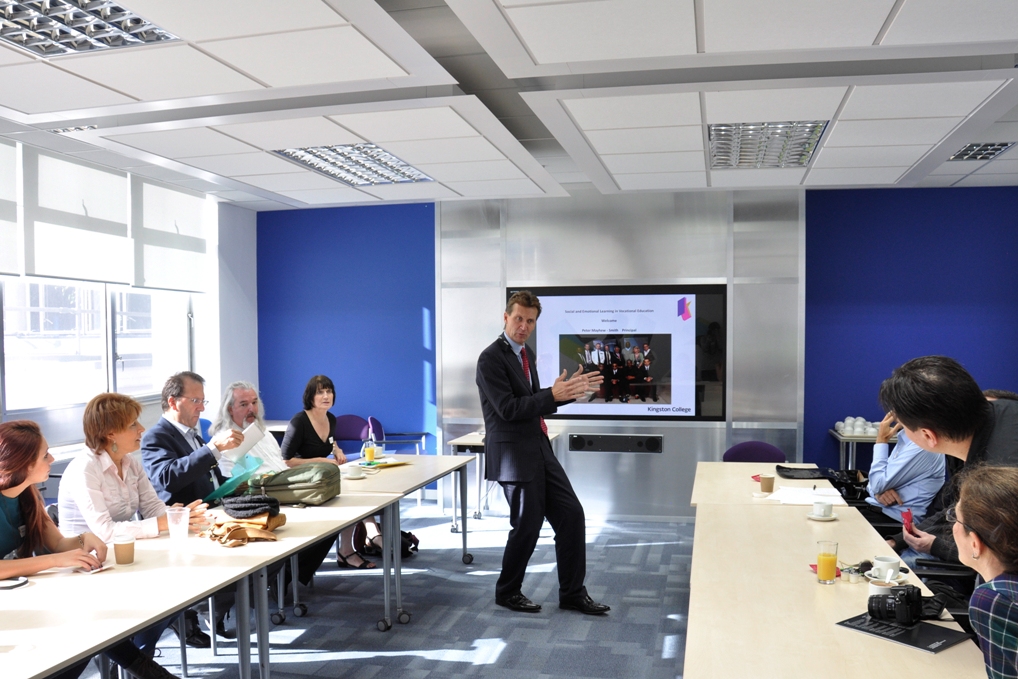
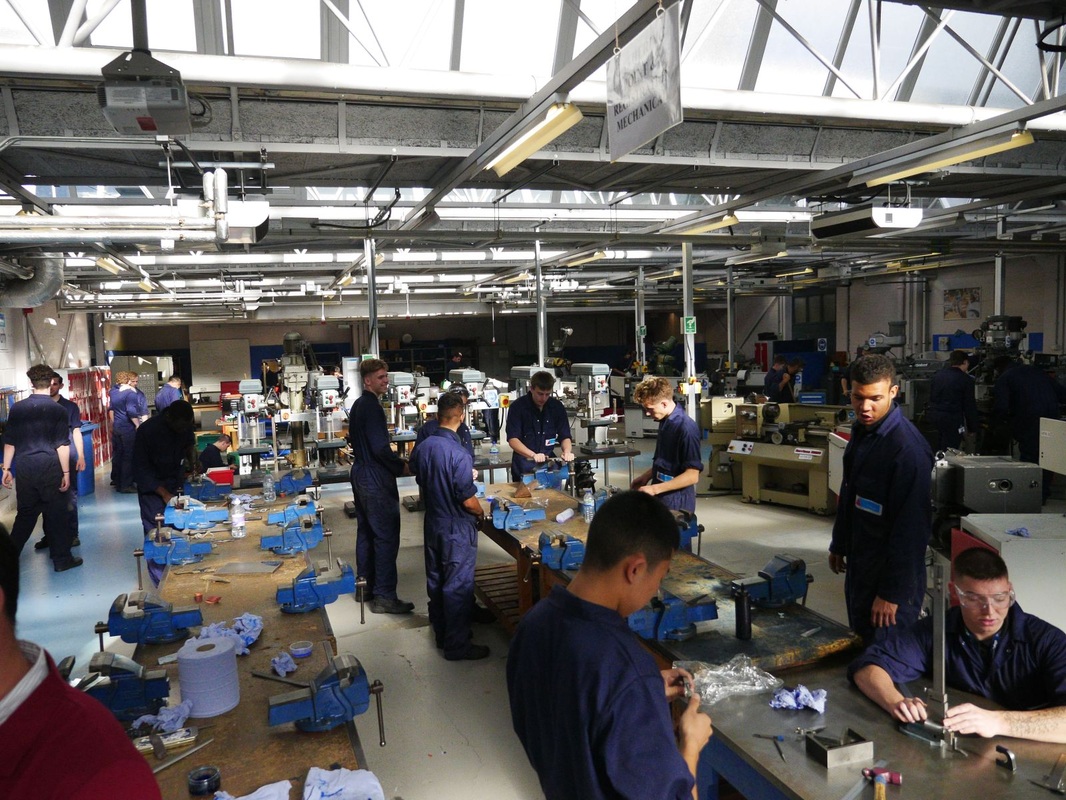
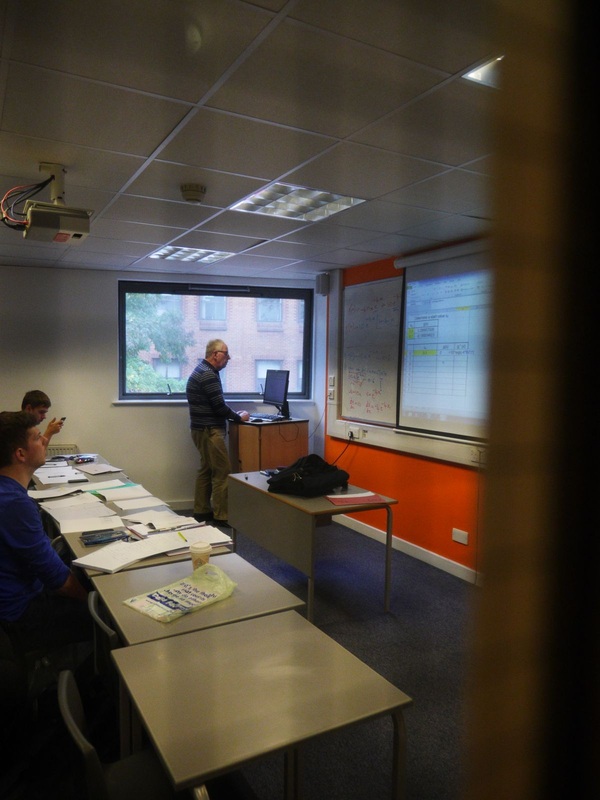
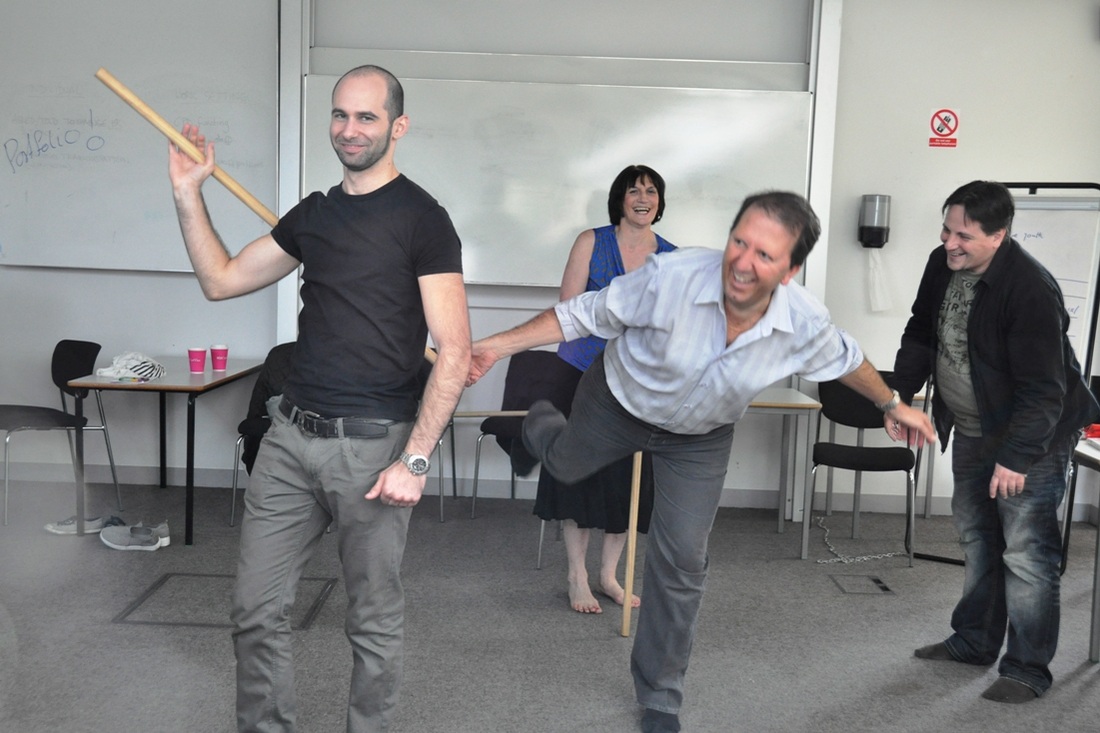
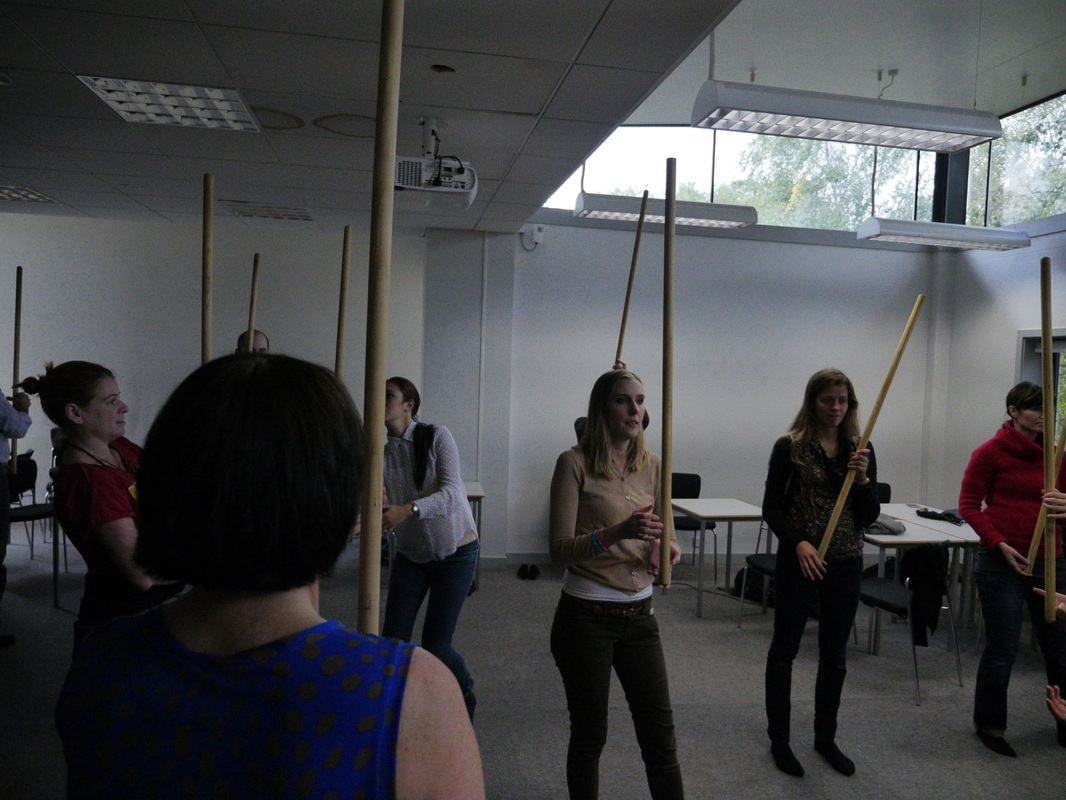
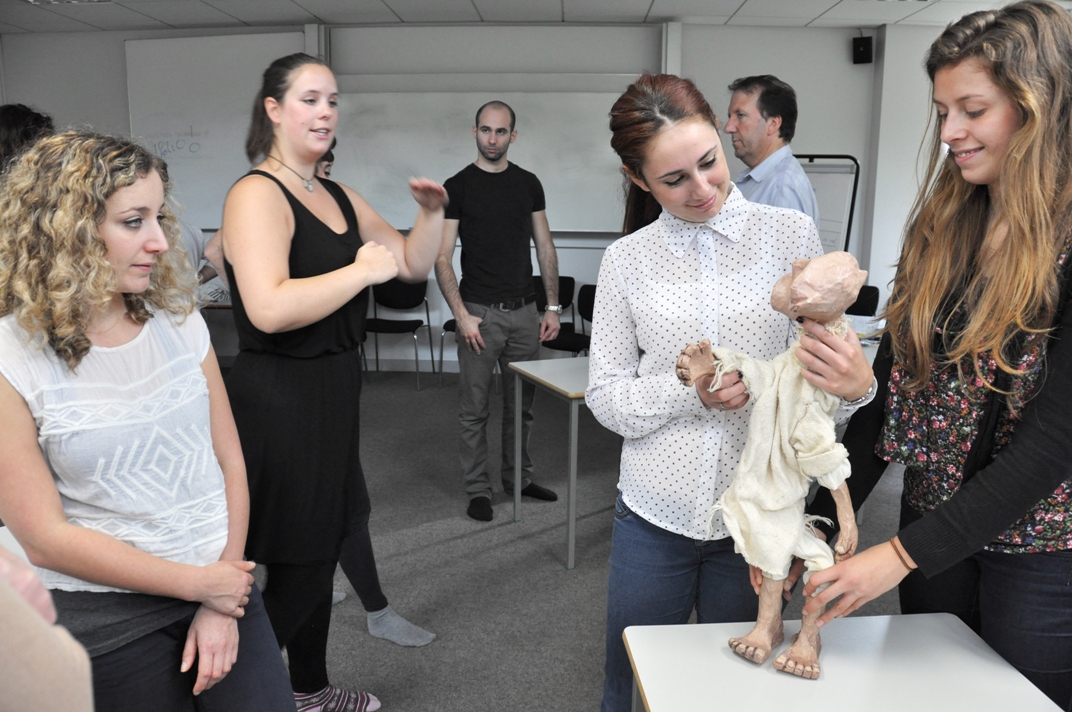
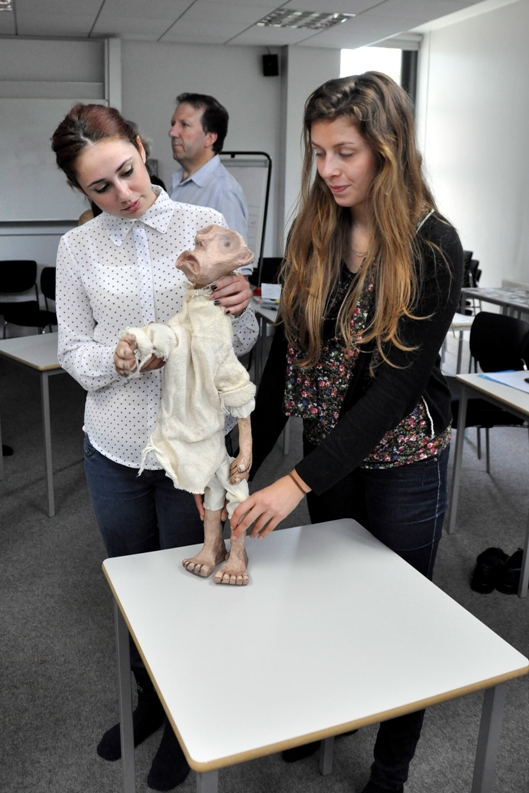
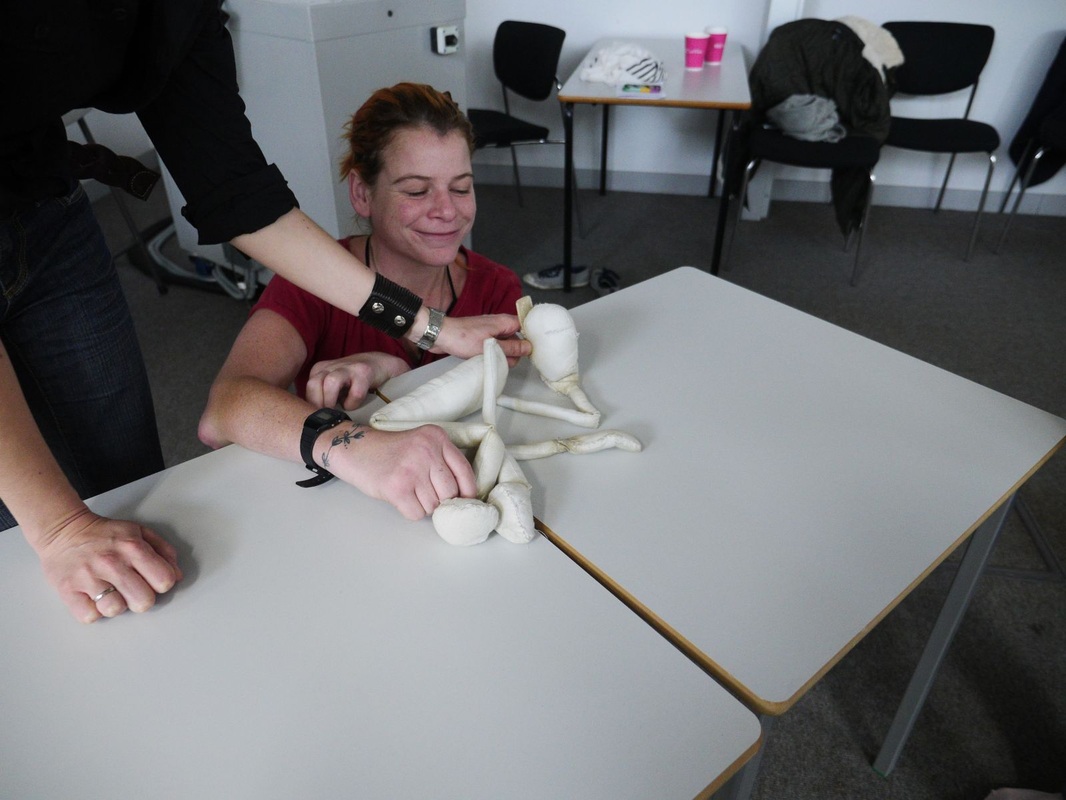
During this preparatory meeting also future possibilities of co-operation have been discussed, with expressed satisfaction about the common work amongst the SELVET partners. See you in Paola soon! ;) During the aforementioned social events in Kingston, Jon Sharman from the local newspaper Surrey Comet presented interested readers with some insights about Ski Sunday, King´s Soup and SELVET - and how they might be connected. 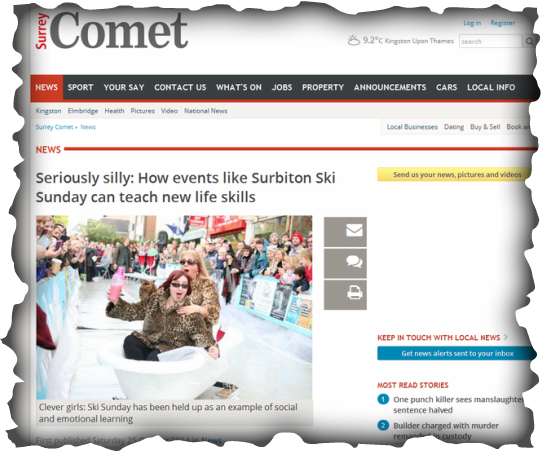  Our group gathered together for the fourth time between the 20th and 22nd October 2014, with most of us being around for some special community activities on the 19th of October - Surbiton Ski Sunday and The King´s Soup. In retrospective, these events gave a perfect opening to our meeting. Orchestrated by Robin Hutchinson et.al., during both events people from Surbiton (and elsewhere) came together and celebrated in funny, lovely, silly, active and always very communicative ways for charity. This is, how communities build and become strong and supportive - this is, what - in the end - social and emotional learning is about, when it comes to using those skills in and for your local (and wider) community! Welcoming, relaxed, fun and a sense of community were some of the terms the SELVET partners used to describe their experience of Surbiton Ski Sunday and the King’s Soup. They loved the craziness and topsy-turvy nature of Ski Sunday and the way that simple things such as cooking soup, sharing it and washing-up could create such togetherness. Adults and children played and worked together and adults could let go and feel like children. The humour, creativity and team effort involved contributed to the success of the day. Learning can be fun and the question that arose was ‘Can SEL learn from community engagement?’. On the first day, we were being presented with an overview of the U.K. educational system and the part of Vocational Education in it. An immensely informative visit to the Kingston College (of VET) followed, where we learnt about the award-winning methods used in this college to offer student (and employer) services at highest levels. Our profound host was Ben Rowe, Director of Student Services. On the second day, after an introduction to our host, Creative Youth, several members of partner institutions (Smoking Apples Theatre, Page One Theatre and Filksit Theatre) presented practical arts workshops like puppetry or games with sticks they use on different levels of education to enhance social and emotional awareness and skills. Some remarks and discoveries on these activities were collected as follows:
In the afternoon we had time concentrating on filling out the toolkit, i.e. preparing the final report of our group. This activity was concluded on our final day, the 22nd October. 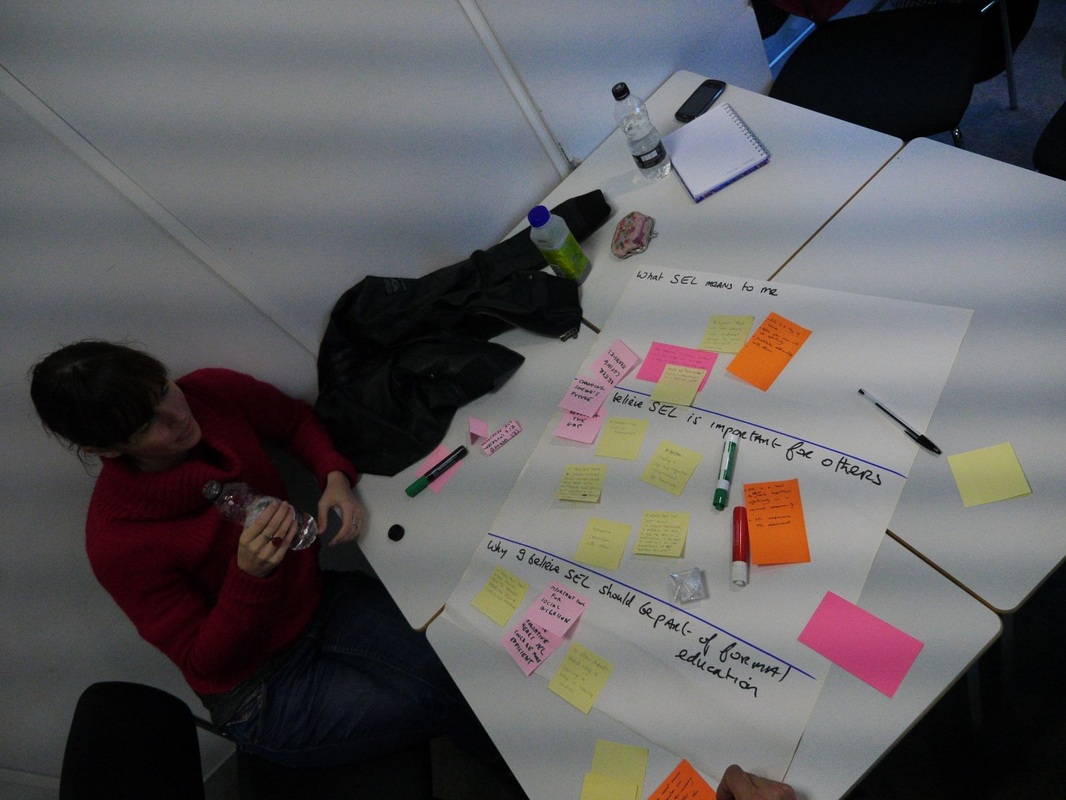 For the remaining time, we will produce a preliminary version of the toolkit by mid-February to revise together during our final meeting in Paola, Malta in March 2015. See you all there and then! :) Meeting report:
Presentations:
|
|||||||||||||||||||||||||||||||||||







 RSS Feed
